
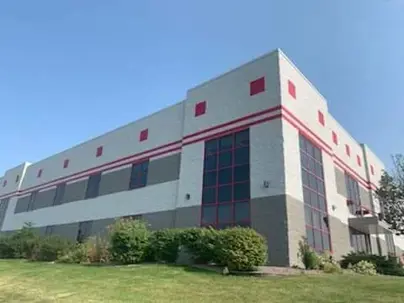
A commercial building can contain several different painting projects on the same exterior. Metal siding, steel doors, concrete block, and previously painted masonry may each need a different preparation method and coating system.
That is why a proposal based only on total square footage can miss important details. Before selecting a color, identify the materials, the condition of the existing finish, and the exposure each area faces.
For commercial properties in Milwaukee and southeastern Wisconsin, this material-by-material approach helps turn a broad repainting request into a scope that can be priced, scheduled, and evaluated.
Create a surface inventory
Start by dividing the building into recognizable sections: front elevation, service entrance, loading area, and other accessible sides. Record the materials in each section.
Note where you see rust, peeling, open joints, cracks, chalky residue, or repeated staining. Include photographs and identify any known leaks or previous repairs.
Keep appearance concerns separate from building defects. A faded wall and an actively leaking wall can look like parts of the same repaint, but they require different decisions before coating work begins.
The inventory also helps identify access needs. Equipment placement, parked vehicles, neighboring property, and delivery routes can affect the work as much as the size of the wall.
Understand what metal preparation needs to accomplish
“Metal” is not a single surface specification. Steel, galvanized steel, aluminum, and factory-finished panels can differ in their coating requirements.
The contractor should identify the material and evaluate the existing coating before recommending a system. Ask how contamination and loose corrosion will be addressed, how the remaining finish will be assessed, and whether a trial area is appropriate.
A direct-to-metal designation does not mean every metal surface can be coated without preparation or primer. Compatibility depends on the particular product, material, condition, and exposure.
Sherwin-Williams' Pro Industrial product overview illustrates how recommended systems can vary by substrate and service conditions. The current data sheet for the product actually specified should guide your project.
Ask for separate treatment of damaged areas where needed. A visibly corroded door edge may need a different preparation sequence from an intact factory-finished panel beside it.
Investigate masonry moisture before choosing a coating
Concrete block and masonry raise a different set of questions. Is the surface already painted? Is the existing coating firmly attached? Are there deposits, active water entry, or deteriorated joints that need attention?
White mineral deposits can be a reason to investigate moisture movement rather than simply cover the area. Repeated cracking also deserves evaluation before it is treated as a cosmetic defect.
Sherwin-Williams' surface preparation guidance calls for assessing moisture, contamination, surface condition, and compatibility. It also identifies curing and pH considerations for new concrete.
Ask what the specified system requires for your particular masonry. Requirements vary, so a broad rule about when “all concrete” can be painted is not enough.
A coating should be selected as part of a suitable wall-maintenance plan. It should not be assumed to correct failed flashing, structural movement, or an unresolved water-entry problem.
Specify the coating system in plain language
A useful commercial proposal explains what will happen to each material.
For a painted steel door, it might describe the condition assessment, cleaning, treatment of failing areas, primer where required, and the selected finish. A block wall may need a different sequence and products.
Ask the contractor to identify:
- The surfaces included and any exclusions.
- Preparation requirements for each material.
- Repair and sealant responsibilities.
- Primer, intermediate coat if needed, and finish product.
- Specified coats and application requirements.
- Relevant drying and return-to-service conditions.
Film thickness can matter on protective coating projects. Where the specification includes it, ask how application will be checked. The number of coats alone does not describe how much material is applied.
Avoid treating a product name as the entire specification. The preparation and application requirements are part of the system.
Plan access and weather together
Commercial exteriors need a schedule that accounts for both operating needs and suitable coating conditions.
Identify entrances that must remain available, delivery windows, employee parking, and nearby surfaces or vehicles that require protection. Ask how the application method will account for wind and adjacent property.
For the weather plan, use the selected coating's current requirements. Different materials can have different surface temperatures even on the same day. Forecast rain, condensation, and conditions after application also belong in the decision.
Agree on who can approve a schedule adjustment and how tenants or staff will be notified. A reasonable weather allowance is more useful than a fixed completion promise that ignores site conditions.
Compare total scope before comparing price
Two bids can cover the same building but include different work. One may address deteriorated joints or extensive surface preparation; another may assume those items are already complete.
Ask contractors to identify assumptions clearly. If repairs are uncertain, request a defined allowance or a written change process rather than an unexplained contingency.
For a larger property, consider whether separate phases would help with budgeting or access. Keep the surface inventory and coating specifications consistent across phases so the project remains manageable.
Keep a maintenance record after completion
At handoff, retain the products, colors, areas coated, and care instructions. Photograph completed work and record any repairs deferred outside the painting scope.
Inspect vulnerable areas during normal property maintenance and after a known leak or impact. Early attention to a damaged finish is easier to plan when the original system is documented.
The right inspection frequency depends on the building and exposure. A fixed repainting interval should not replace checking the actual condition.
Common questions about commercial exteriors
Can the whole building use the same paint
Sometimes a product is approved for multiple surfaces, but each material still needs an appropriate preparation and application plan. Confirm suitability instead of assuming one product fits everything.
Can rust simply be painted over
The proposed system determines the required preparation. Loose corrosion and an unstable surface need to be addressed; a topcoat alone is not a complete repair plan.
Does masonry paint make a leaking building waterproof
Do not assume it does. The source of water entry and the design of the wall must be evaluated. Coating work may be only one part of the repair.
Discuss your commercial exterior with QGC
QGC Professional Painting provides commercial exterior painting services in southeastern Wisconsin. Request a free estimate to discuss your building's materials, visible wear, and access requirements.